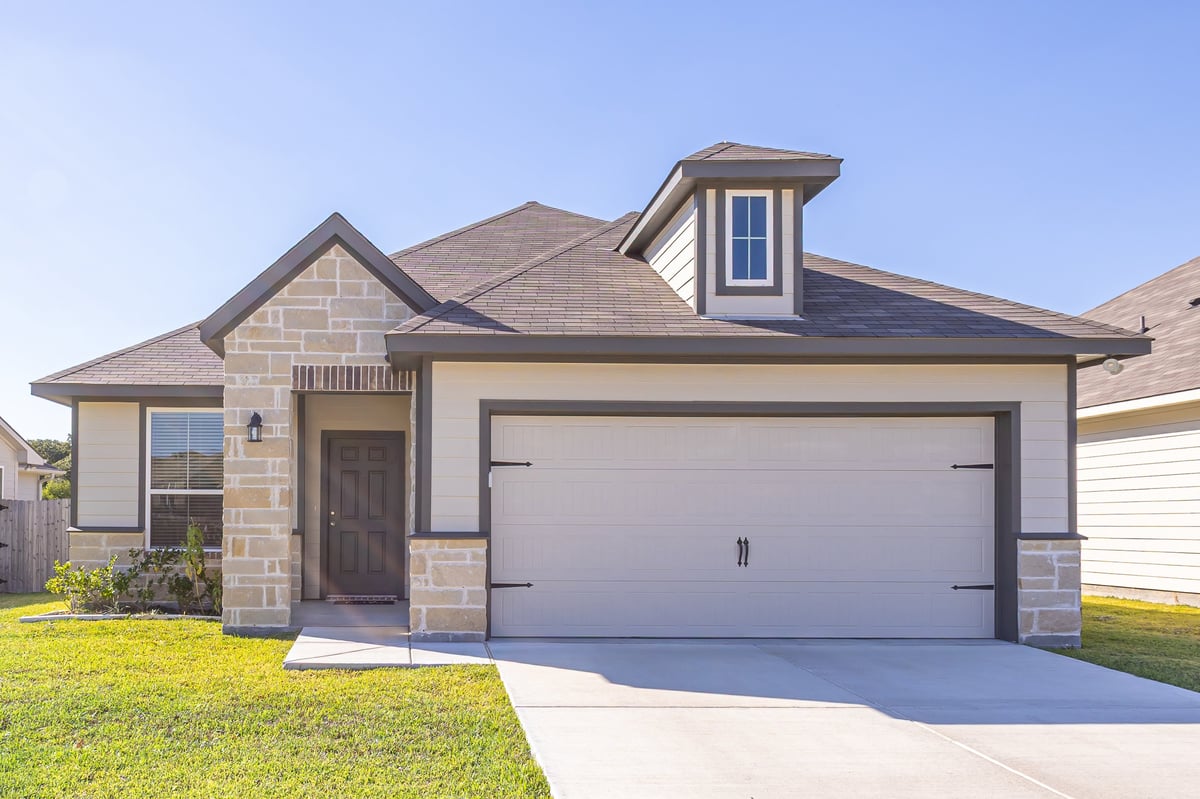
Kansas Foreclosure Defense
Understanding Kansas's judicial foreclosure process is your first line of defense. Our team has extensive experience with Kansas's specific laws and procedures.
Response within 24 hours
We Know Kansas Foreclosure Law
Every state handles foreclosure differently, and Kansas's judicial process has its own timeline, paperwork, and procedural protections. Our team has handled hundreds of Kansas cases and understands exactly what works in front of Kansas courts.
Foreclosure Timeline in Kansas
120-180 days
This is an approximate timeframe. Your specific case may differ. Learn how our process works →
Key Kansas Foreclosure Laws
Homeowner Protections in Kansas
Kansas County Courthouses
Find your county courthouse address, phone number, hours, and get Google Maps directions. 105 counties listed.
Understanding Loan Delinquency in Kansas
Most foreclosures begin with loan delinquency — missed mortgage payments. Understanding the delinquency timeline in Kansas and your options at each stage can mean the difference between saving your home and losing it.
What Is Mortgage Delinquency?
A mortgage becomes delinquent the day after you miss a payment. Most loans have a grace period (typically 15 days), after which late fees apply. The delinquency is reported to credit bureaus at 30 days past due, and the foreclosure process can begin as early as 120 days of delinquency under federal regulations.
Early Intervention Is Critical
The earlier you address delinquency, the more options you have. At 30-60 days, loan modification, repayment plans, and forbearance are all realistic. At 90-120 days, options narrow but still exist. Waiting until a foreclosure sale is scheduled closes many doors — contact us immediately to preserve every option.
Kansas Delinquency Timeline
Options at Every Stage
- • 30-60 days: Loan modification, forbearance, repayment plan
- • 60-90 days: Modification, partial claim, reinstatement
- • 90-120 days: Modification, foreclosure defense, bankruptcy
- • 120+ days: Foreclosure defense, emergency motions, sale intervention
Kansas Resources
Kansas Housing Resources Corporation
Foreclosure prevention and housing counseling services.
Kansas Legal Services
Foreclosure defense legal aid for eligible Kansans.
Kansas Homeowners — Explore Our Defense Services
Learn more about the specific foreclosure defense strategies and document preparation services available to Kansas homeowners.
Foreclosure Defense
Full-service foreclosure defense — answers, motions, and trial preparation.
Loan Modification
Negotiate reduced payments and modified loan terms with your servicer.
Legal Document Preparation
Court-ready pro se documents tailored to Kansas's laws.
Forensic Loan Audit
Identify RESPA, TILA, and predatory lending violations in your loan.
Wrongful Foreclosure
Hold lenders accountable for improper foreclosure practices.
Bankruptcy Support
Stop foreclosure through Chapter 7 or 13 automatic stay protection.
Kansas Foreclosure FAQs
Common questions from Kansas homeowners facing foreclosure.
How long does foreclosure take in Kansas?▼
Can I stop a foreclosure sale in Kansas once it's scheduled?▼
What are my rights under Kansas foreclosure law?▼
Do I need to leave my home during Kansas foreclosure?▼
Facing Foreclosure in Kansas? Don't Wait.
Kansas's judicial foreclosure process moves on a timeline. Every day matters. Get a free case review and learn your options.
Available Monday–Friday · 10:00 AM – 6:00 PM Pacific